Practical guide · 9 min read
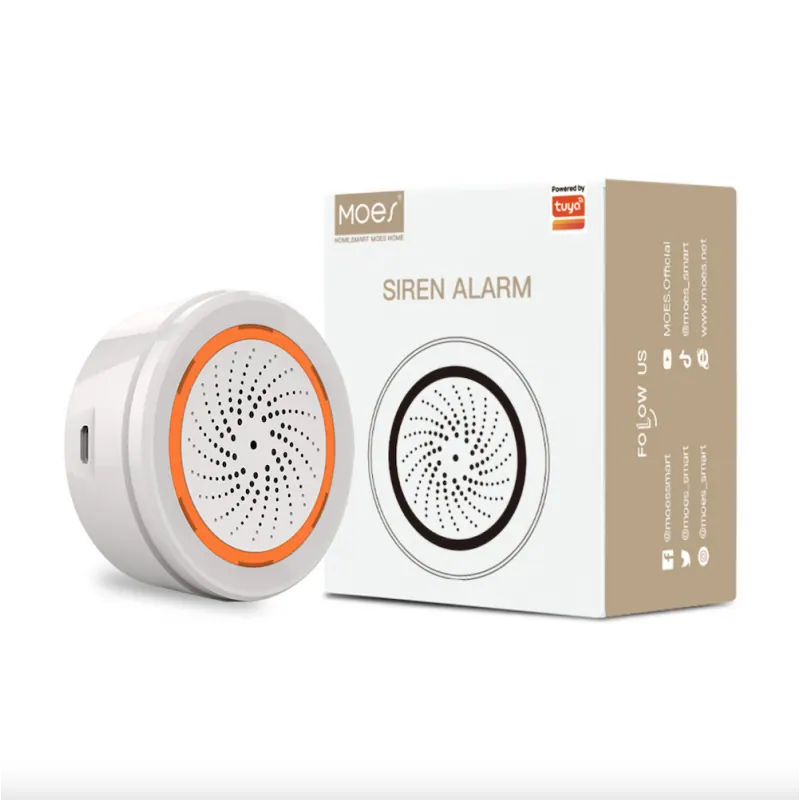
Home Assistant home alarm: Zigbee sensors, smoke, leaks and siren
Build a coherent Home Assistant alarm: contacts, motion, smoke, water leaks, siren, notifications, night modes and recovery tests.
Start from the real use case
Build a coherent Home Assistant alarm: contacts, motion, smoke, water leaks, siren, notifications, night modes and recovery tests.
Use Home Assistant home alarm: Zigbee sensors, smoke, leaks and siren to frame a concrete need before comparing features. The intended location, people who will use it and expected behaviour after a restart should be clear from the outset.
Define the risk and the human response
For Home Assistant home alarm: Zigbee sensors, smoke, leaks and siren, start by separating information, alerts and actions. Safety devices retain their own purpose and local controls: Home Assistant can add visibility and coordination, but should not remove the underlying safety mechanism.
Test normal use and failure cases
Check what happens after a restart, a lost connection, a low battery or a missed notification. Sensitive actions should remain limited, reversible and understandable to every occupant of the home.
Checklist before relying on it
Use this short checklist to keep the deployment understandable and maintainable.
- Keep the original safety function and manual control available.
- Test notifications, power loss and low-battery behaviour.
- Use least-privilege access and clear recovery instructions.
Common questions
What should I check before getting started?
For Home Assistant home alarm: Zigbee sensors, smoke, leaks and siren, first confirm the exact hardware, its final location and the compatibility of the local integration.
Can it work locally with Home Assistant?
Prefer a documented integration and validate the exposed entities in your own installation before depending on an automation.
When should automation be added?
After observing actual behaviour, testing a restart and retaining a manual control or safe alternative.