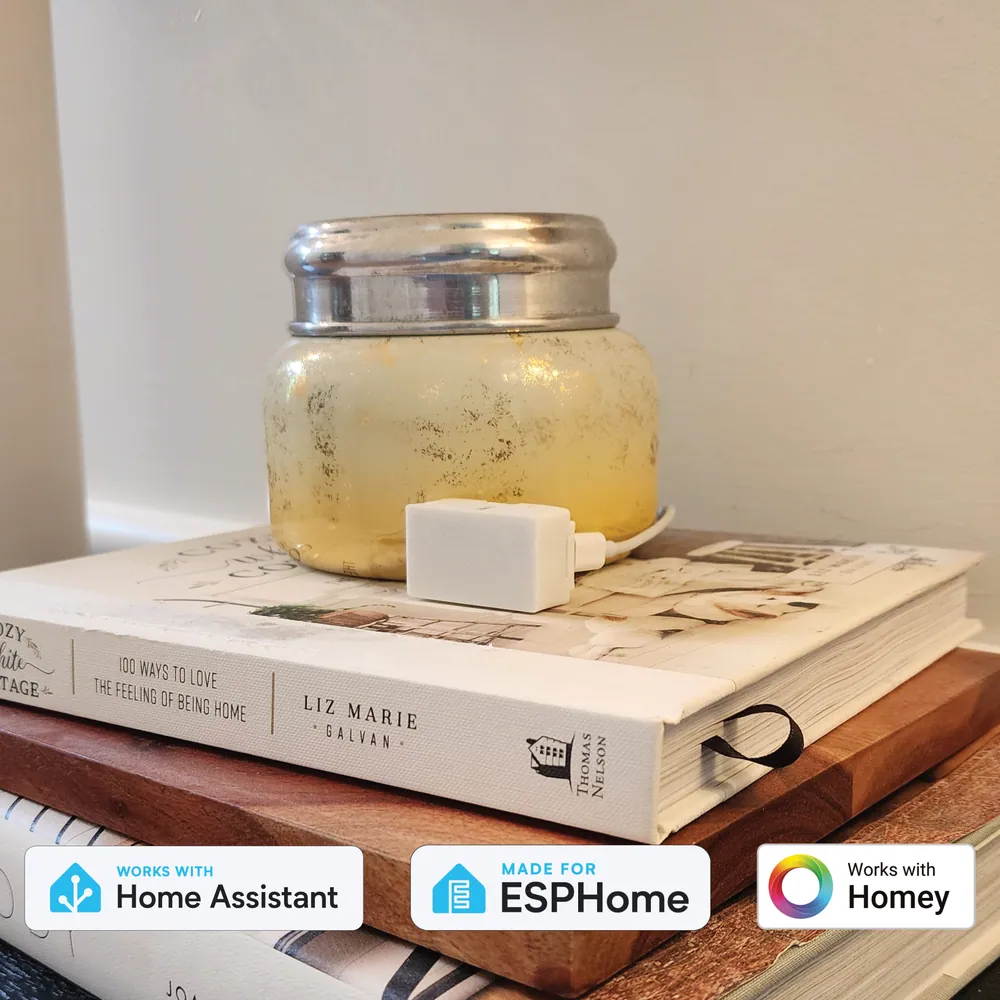
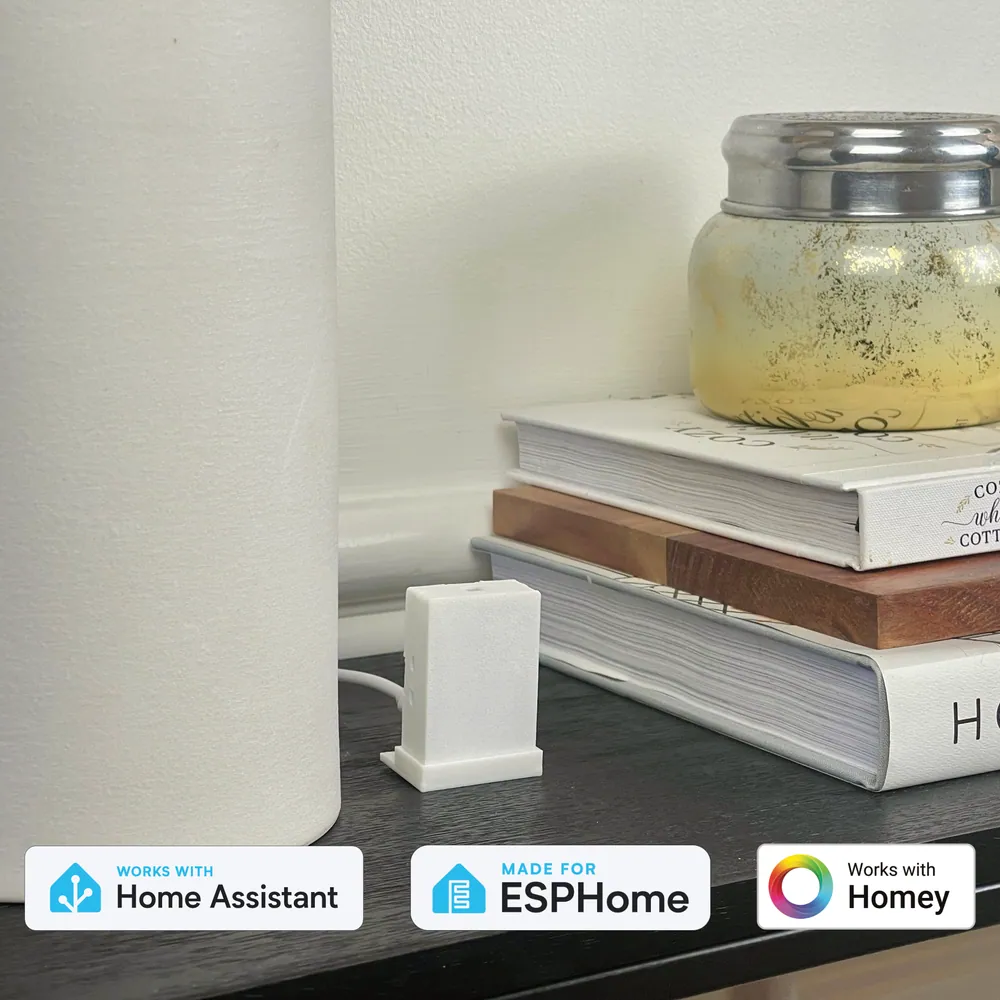
Practical guide · 7 min read
mmWave PoE presence sensor with Home Assistant: Ethernet, zones and installation
Install an mmWave PoE presence sensor with Home Assistant: the value of Ethernet, power, detection zones, ESPHome integration and tests before automation.
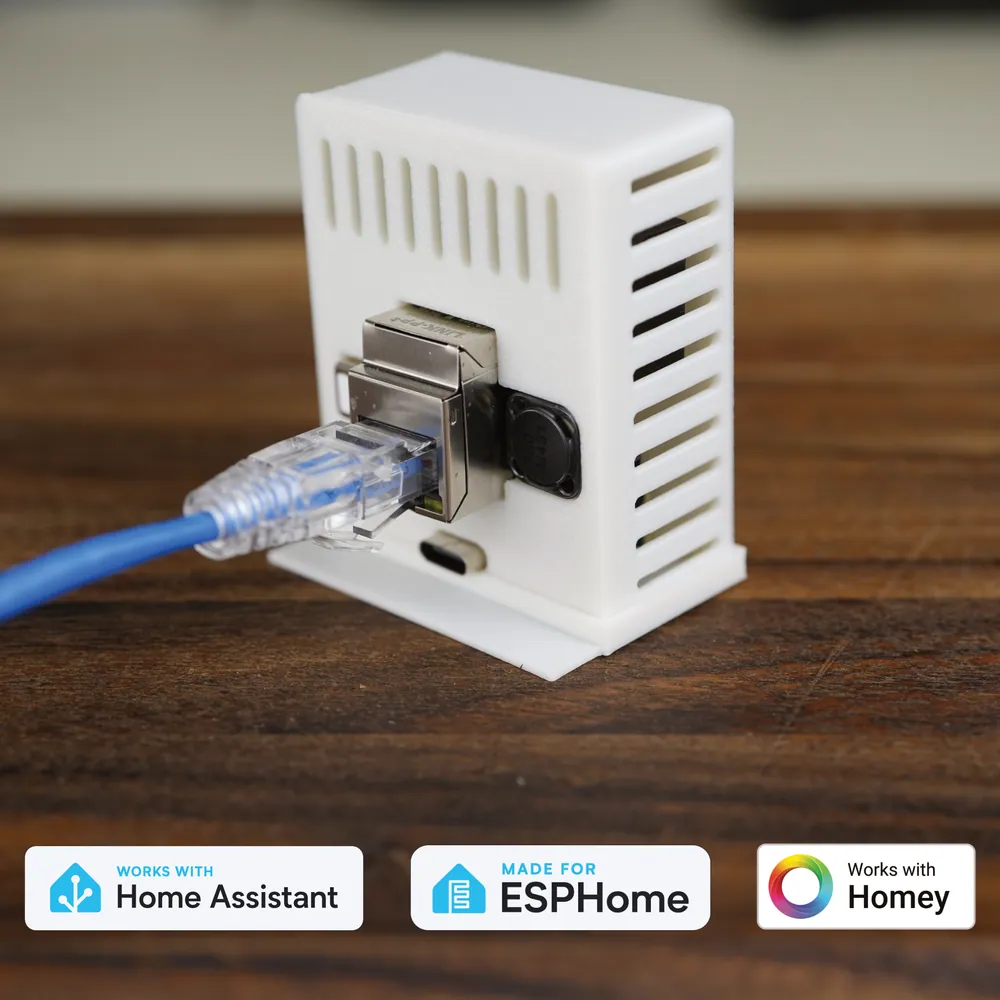
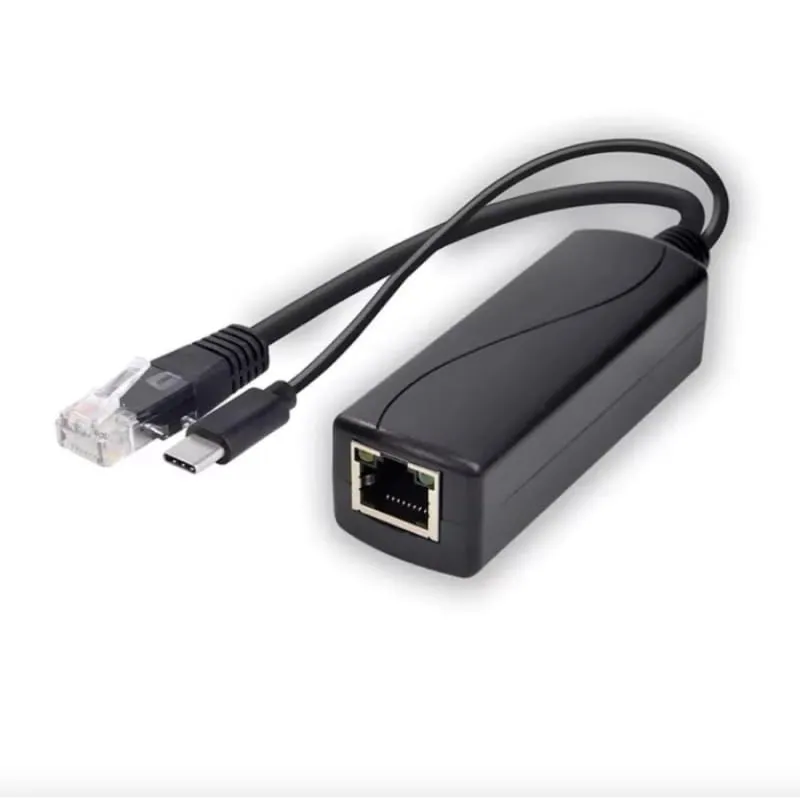
Start from the real use case
Install an mmWave PoE presence sensor with Home Assistant: the value of Ethernet, power, detection zones, ESPHome integration and tests before automation.
Use mmWave PoE presence sensor with Home Assistant: Ethernet, zones and installation to frame a concrete need before comparing features. The intended location, people who will use it and expected behaviour after a restart should be clear from the outset.
Design the coverage around the real location
For mmWave PoE presence sensor with Home Assistant: Ethernet, zones and installation, start from walls, power sources, distance and the final mounting point rather than a theoretical range. A stable network is built from a documented path between the controller, powered relays and end devices.
Measure before relying on automation
Test communication where the device will actually stay, then observe it over several days. Change one variable at a time: placement, channel, antenna or relay. Keep a simple record of the network topology and recovery procedure.
Checklist before deployment
Use this short checklist to keep the deployment understandable and maintainable.
- Use the correct regional radio plan.
- Test coverage at the final location.
- Document power, placement and recovery steps.
Common questions
What should I check before getting started?
For mmWave PoE presence sensor with Home Assistant: Ethernet, zones and installation, first confirm the exact hardware, its final location and the compatibility of the local integration.
Can it work locally with Home Assistant?
Prefer a documented integration and validate the exposed entities in your own installation before depending on an automation.
When should automation be added?
After observing actual behaviour, testing a restart and retaining a manual control or safe alternative.