Practical guide · 6 min read

BME280, BME680 or SGP40: choosing a DIY sensor for Home Assistant

Compare temperature, humidity, pressure, VOC and CO2 measurements before building an ESPHome environmental sensor.
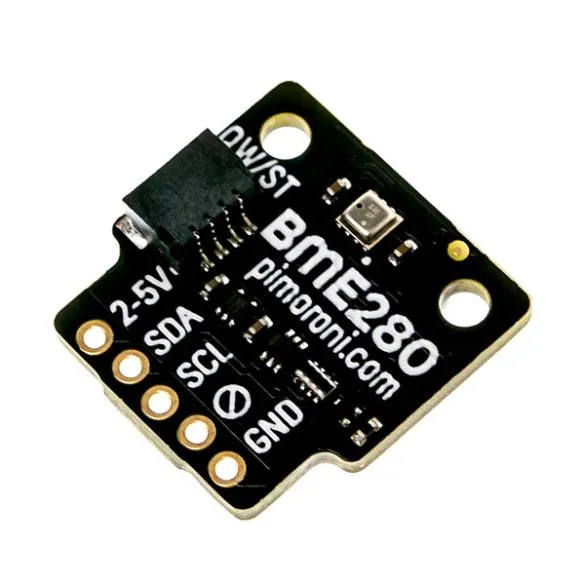
Illustration for the guide BME280, BME680 or SGP40: choosing a DIY sensor for Home Assistant

Start with the measurement you need

Indoor comfort, ventilation and weather monitoring need different measurements. Temperature and humidity may be sufficient for a bedroom, while a ventilation decision based on occupancy can require a dedicated CO2 sensor. Do not choose a board solely because it advertises several measurements.

A bare sensor board also needs a controller, a stable power supply and an enclosure that allows air to circulate. It does not pair directly with ZHA or Zigbee2MQTT.

Understand the differences between the chips

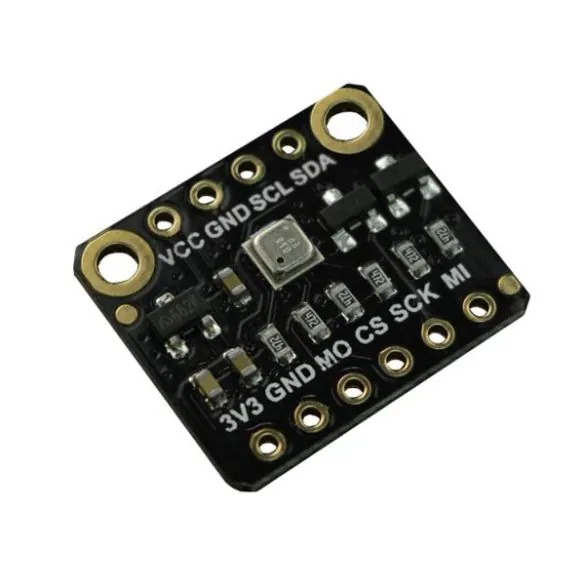
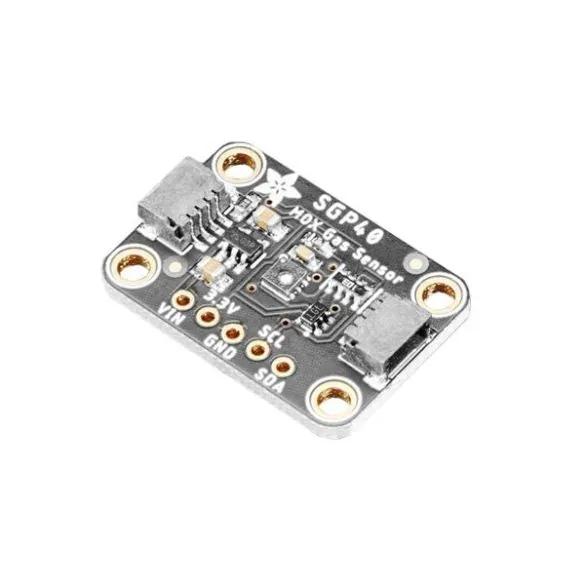
The BME280 measures temperature, humidity and pressure. The BME680 adds a gas-sensitive response, often reported as resistance. The SGP40 supports VOC monitoring with the appropriate software processing. Neither gas resistance nor a VOC index is a direct CO2 concentration in ppm.

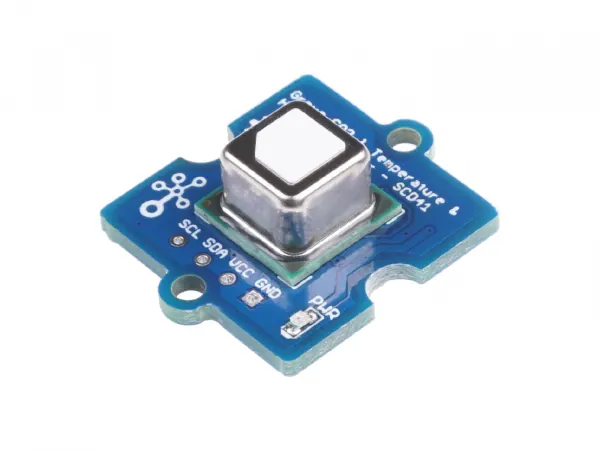
For CO2, consider a dedicated sensor such as the SCD41 and check its installation requirements.

Prepare the ESPHome build

Check the ESPHome component for the exact chip and verify its interface, voltage and wiring. Grove, Qwiic and Stemma QT connectors simplify assembly but do not guarantee matching electrical requirements.

Start with one sensor, check its bus address and give entities clear names and units. Keep credentials separate from the configuration and test reconnection after a restart.

Validate readings before automating

Keep the sensor away from a hot regulator, direct sunlight and airflow from a vent. Compare trends over several days before applying an offset.

Ventilation rules need a minimum operating time, a separate return threshold and safe behaviour when readings become unavailable. DIY environmental modules do not replace certified smoke or gas safety detectors.

Common questions

Does the BME680 measure CO2?

No. Its gas-sensitive output must not be presented as a direct CO2 measurement. Use a dedicated CO2 sensor when that measurement is required.
Go further

Products related to this guide

Browse the shop
Availability to checkPimoroni PIM472

DIY sensor

Pimoroni PIM472

Availability to check

Pimoroni PIM472 is a diy sensor for an electronics project. Interfaces: I2C. A compatible controller, power supply and software configuration are required. Check the exact model's documentation and included components before purchase; this is not a standalone connected device.

DIYI2CTempérature et humidité
Availability to checkDFRobot SEN0375

DIY sensor

DFRobot SEN0375

Availability to check

DFRobot SEN0375 is a diy sensor for an electronics project. Interfaces: I2C. A compatible controller, power supply and software configuration are required. Check the exact model's documentation and included components before purchase; this is not a standalone connected device.

DIYI2CQualité de l’air
Availability to checkAdafruit ADA4829

DIY sensor

Adafruit ADA4829

Availability to check

Adafruit ADA4829 is a diy sensor for an electronics project. Interfaces: I2C. A compatible controller, power supply and software configuration are required. Check the exact model's documentation and included components before purchase; this is not a standalone connected device.

DIYI2CQualité de l’air
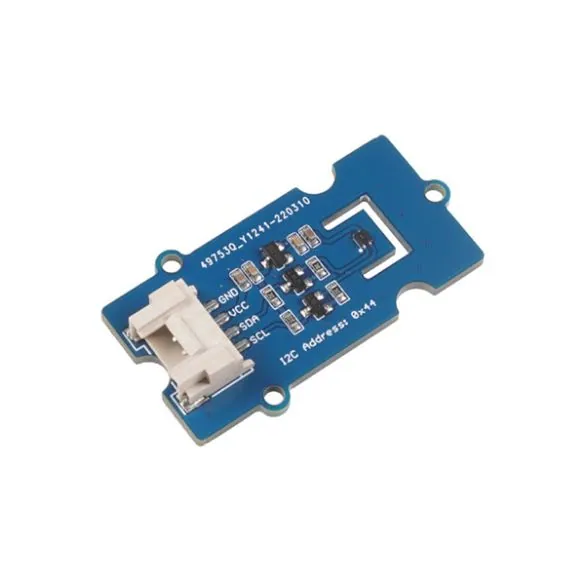
Availability to checkSeeed Studio 101021032

DIY sensor

Seeed Studio 101021032

Availability to check

Seeed Studio 101021032 is a diy sensor for an electronics project. A compatible controller, power supply and software configuration are required. Check the exact model's documentation and included components before purchase; this is not a standalone connected device.

DIYTempérature et humidité
Seeed StudioSeeed Studio Grove SCD41

DIY sensor

Seeed Studio Grove SCD41

$52.90

Seeed Studio Grove SCD41 is a diy sensor for an electronics project. Interfaces: I2C. A compatible controller, power supply and software configuration are required. Check the exact model's documentation and included components before purchase; this is not a standalone connected device.

DIYI2CHome AssistantESPHome
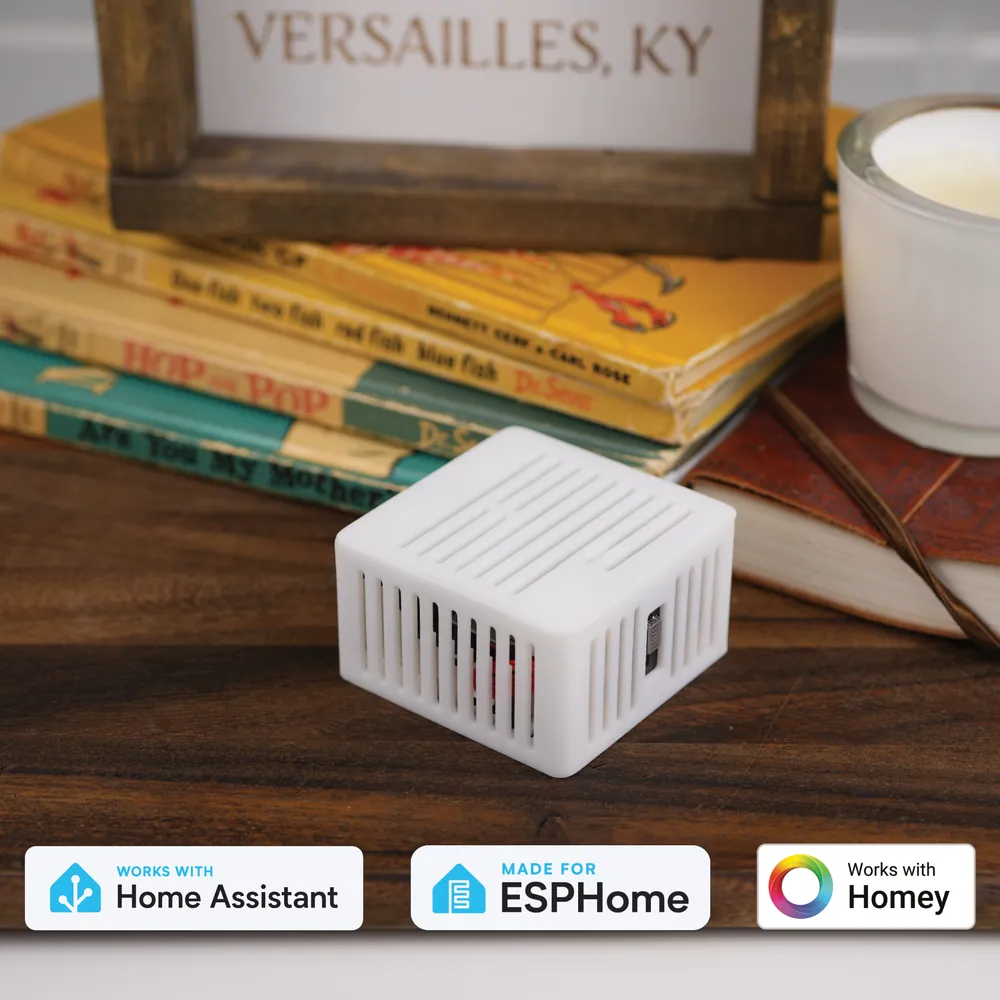
Coming soonApollo Automation AIR-1

Connected sensor

Apollo Automation AIR-1

Coming soon

Apollo Automation AIR-1 is a connected sensor for a local smart-home installation. It supports Wi-Fi and works with Home Assistant and ESPHome. Installation: USB-C and Pièce de vie ou bureau.

Wi-FiHome AssistantESPHomeQualité de l'air