Practical guide · 8 min read
How to choose a Zigbee PoE coordinator for Home Assistant
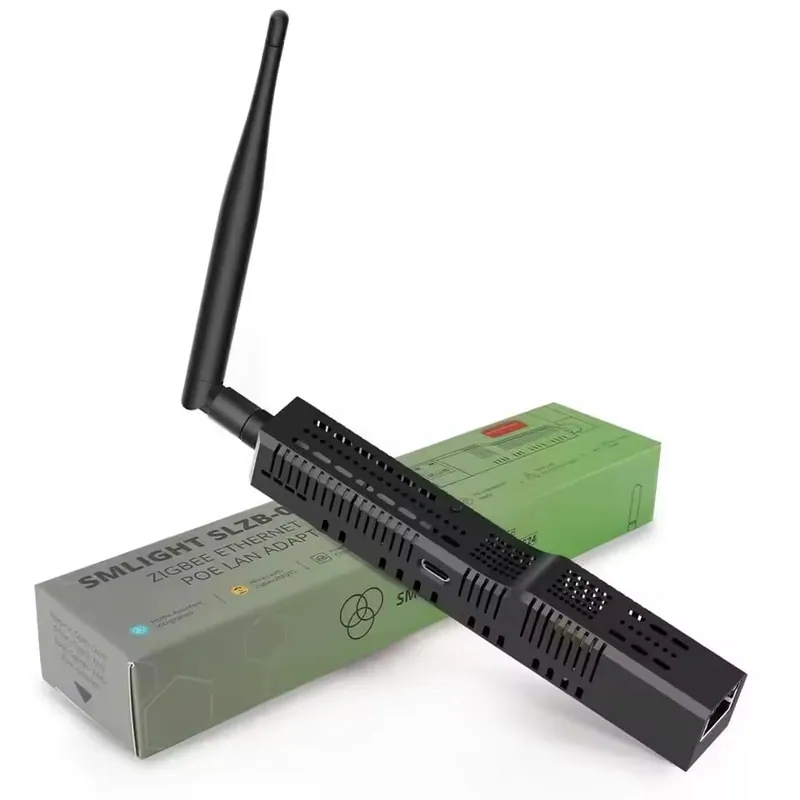
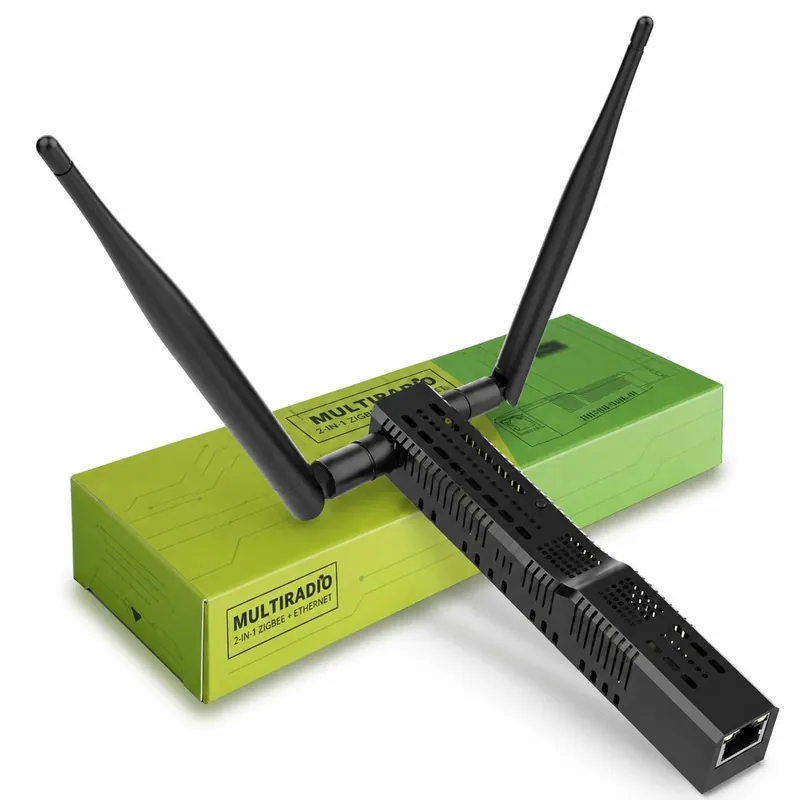
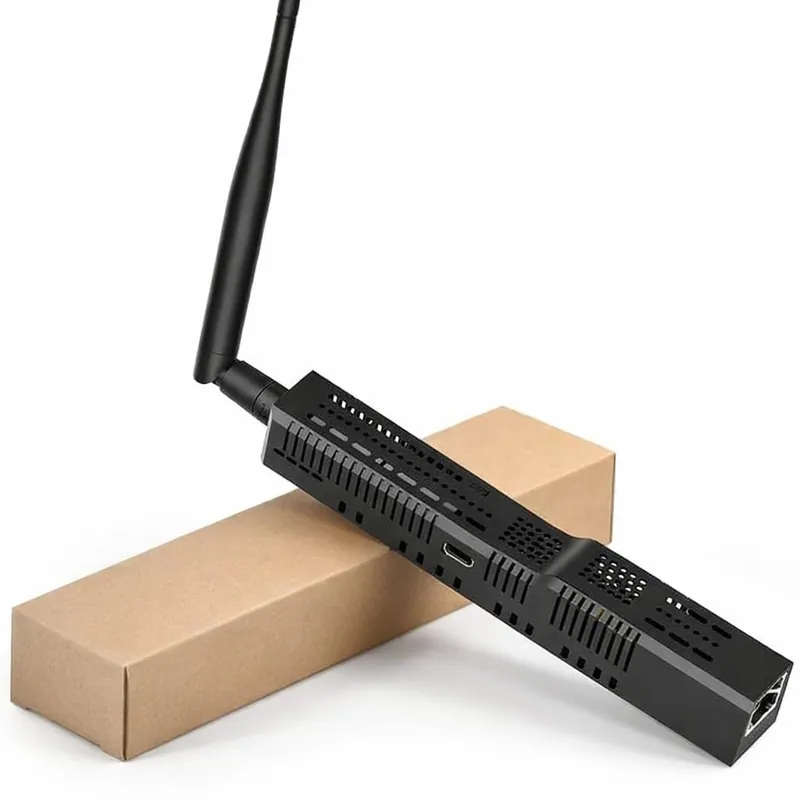
Chipset, Ethernet, PoE, Zigbee2MQTT, ZHA and placement: the criteria that matter when choosing a network Zigbee coordinator.
Start from the real use case
Chipset, Ethernet, PoE, Zigbee2MQTT, ZHA and placement: the criteria that matter when choosing a network Zigbee coordinator.
Use How to choose a Zigbee PoE coordinator for Home Assistant to frame a concrete need before comparing features. The intended location, people who will use it and expected behaviour after a restart should be clear from the outset.
Verify the physical installation first
For How to choose a Zigbee PoE coordinator for Home Assistant, the existing wiring, mounting space, power limits and physical control take priority over the software layer. Check the official documentation for the exact reference and involve a qualified professional whenever electrical or mechanical uncertainty remains.
Commission before closing or automating
Test local control, state feedback and restart behaviour while the equipment is still accessible. Add automation only after normal manual use is clear and predictable for every person who uses the space.
Checklist before commissioning
Use this short checklist to keep the deployment understandable and maintainable.
- Confirm wiring, load limits and mounting requirements.
- Test local control and actual state feedback.
- Document the model, location and safe recovery procedure.
Common questions
What should I check before getting started?
For How to choose a Zigbee PoE coordinator for Home Assistant, first confirm the exact hardware, its final location and the compatibility of the local integration.
Can it work locally with Home Assistant?
Prefer a documented integration and validate the exposed entities in your own installation before depending on an automation.
When should automation be added?
After observing actual behaviour, testing a restart and retaining a manual control or safe alternative.